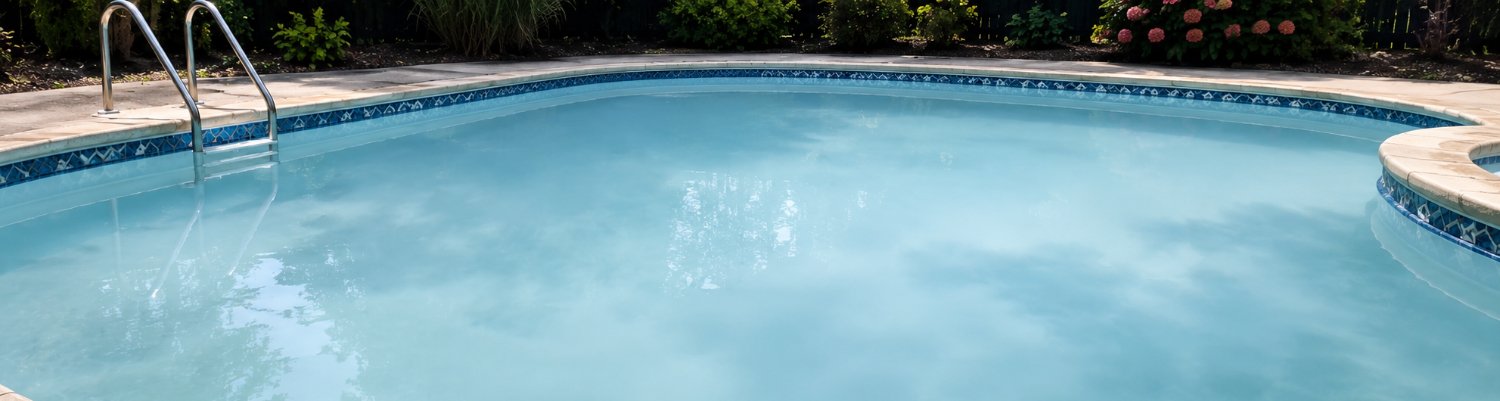
How to Fix Cloudy Pool Water
Cloudy pool water is one of the most common problems pool owners face. Sometimes the water looks slightly dull or hazy. Other times, you may not even be able to see the bottom of the pool. Besides looking unappealing, cloudy water can also be unsafe because it may hide debris, algae, or even swimmers underwater.
The good news is that cloudy water is usually fixable. In most cases, the problem comes down to water balance, filtration, poor circulation, or fine particles floating in the water.
This guide explains how to identify the cause of cloudy pool water and how to restore clear, healthy water safely.
Why Pool Water Turns Cloudy
Cloudy water happens when tiny particles remain suspended in the pool instead of being filtered out or broken down properly. These particles may come from dirt, algae, body oils, sunscreen, pollen, rainwater, or unbalanced pool chemicals.
Common causes include:
- Poor water chemistry
- Low chlorine levels
- Dirty or clogged filters
- Poor water circulation
- Early algae growth
- Fine debris and dirt
- Heavy pool use
- Rainstorms or wind
- Sunscreen, oils, and lotions
Sometimes more than one issue is happening at the same time, so the best approach is to work through the problem step by step.
Step 1: Test the Pool Water
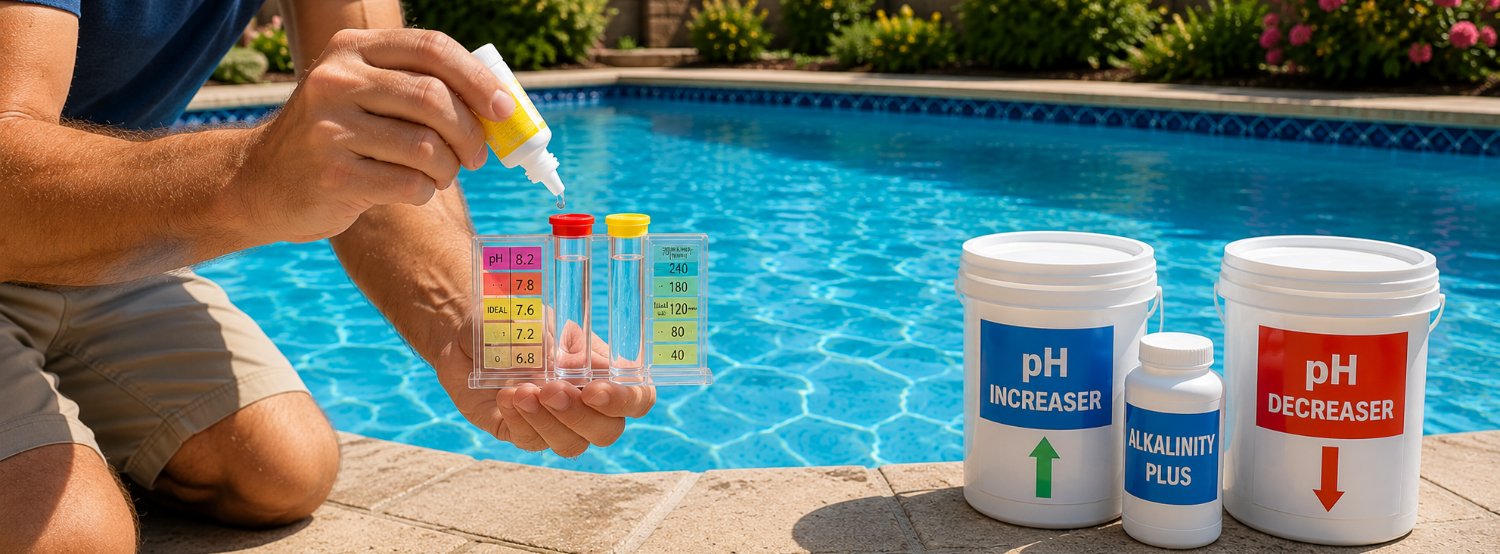
Before adding chemicals, test the water carefully. Guessing can make cloudy water worse, especially if pH, alkalinity, or chlorine levels are already out of range.
You can use:
- Pool test strips
- A liquid test kit
- A professional pool store water test
| Water Balance Item | Common Target Range | Why It Matters |
|---|---|---|
| Free Chlorine | 1–3 ppm | Kills bacteria, algae, and organic contaminants. |
| pH | 7.2–7.6 | Helps chlorine work properly and keeps water comfortable. |
| Total Alkalinity | 80–120 ppm | Helps stabilize pH and prevent sudden changes. |
| Calcium Hardness | 200–400 ppm | Helps prevent scaling, cloudy water, and surface issues. |
| Cyanuric Acid | 30–50 ppm | Protects chlorine from sunlight, but too much can reduce effectiveness. |
Pool Adviser Tip
High pH is one of the most common causes of cloudy pool water. If pH is too high, chlorine becomes less effective and minerals can make the water look dull or milky.
Step 2: Balance the Water First
Once you test the water, correct the levels in the right order. Start with alkalinity if it is far out of range, then adjust pH, and finally correct chlorine.
Balanced water gives chlorine a better chance to work and helps prevent minerals from clouding the pool.
- Lower high pH with a pH reducer.
- Raise low pH with a pH increaser.
- Adjust alkalinity if pH is difficult to control.
- Make sure chlorine is strong enough to sanitize the water.
Always follow the label directions on any pool chemical and add products separately. Never mix chemicals together.
Step 3: Check the Filter System
Your filter is responsible for removing tiny particles from the water. If the filter is dirty, clogged, undersized, or not running long enough, cloudy water can develop quickly.
Check these parts of the system:
- Filter pressure gauge
- Pump basket
- Skimmer basket
- Return jets
- Filter cartridge, sand, or DE grids
For Sand Filters
Backwash the filter until the water runs clear, then use the rinse setting before returning to normal filtration. If the sand is old, clumped, or channeling, it may not filter properly.
For Cartridge Filters
Remove the cartridge and rinse it thoroughly with a hose. If it is very dirty, soak it with a cartridge filter cleaner. Replace the cartridge if it is torn, flattened, or no longer cleans well.
For DE Filters
Backwash the filter and recharge it with the correct amount of fresh DE powder. Inspect the grids if cloudy water keeps returning.
Step 4: Run the Pump Longer
Cloudy water often needs extra filtration time. Even after the chemistry is corrected, the filter still needs time to physically remove tiny particles from the water.
During cleanup, run the pump longer than usual. If the water is very cloudy, running the pump continuously for a short period may help.
- Run the pump at least 8–12 hours per day during normal conditions.
- Run it longer during cloudy water cleanup.
- Aim return jets slightly downward and in a circular direction.
- Make sure water is moving throughout the entire pool.
Step 5: Brush and Vacuum the Pool
Dirt, pollen, and algae can cling to pool surfaces. Brushing loosens these particles so the filter can capture them.
Brush these areas carefully:
- Pool walls
- Floor
- Steps
- Corners
- Behind ladders
- Around return fittings and skimmers
After brushing, vacuum the pool slowly. Moving too fast can stir debris back into the water instead of removing it.
Step 6: Shock the Pool if Chlorine Is Low
If chlorine is low, algae is starting, or the water smells strongly of chlorine, shocking the pool may be necessary. Pool shock raises chlorine quickly to destroy contaminants and organic waste.
Shock may help when:
- The water looks dull, milky, or hazy.
- Free chlorine is too low.
- The pool was used heavily.
- Heavy rain diluted the water.
- Algae may be starting to grow.
Important Safety Reminder
Keep swimmers out of the pool after shocking until chlorine returns to a safe swimming range. Always follow the product label and never mix pool chemicals together.
Step 7: Use Clarifier Only If Needed
If the water is still cloudy after balancing the water, cleaning the filter, brushing, vacuuming, and running the pump, a pool clarifier may help.
Clarifier works by grouping tiny particles together so the filter can catch them more easily. It is best for mild to moderate cloudiness caused by fine debris, pollen, or dust.
Use clarifier carefully. Adding too much can make the water even cloudier.
Step 8: Use Flocculant for Severe Cloudiness
Pool flocculant, often called floc, is stronger than clarifier. Instead of helping the filter catch particles, it causes particles to sink to the bottom of the pool.
After using flocculant, the pool usually needs to sit still. Then the settled debris must be vacuumed directly to waste.
Flocculant can be useful when the pool is extremely cloudy, but it requires more work and may lower the water level because vacuuming to waste removes water from the pool.
Step 9: Watch for Algae
Cloudy water is often the first sign of an algae problem. Even if the pool is not green yet, algae may already be starting on the walls, floor, or hidden areas.
Warning signs include:
- A slight green tint
- Slippery pool walls
- Cloudiness that returns quickly
- Chlorine levels dropping fast
- Debris collecting in corners or shaded areas
If you suspect algae, brush thoroughly, shock the pool, clean the filter often, and keep the pump running while the water clears.
Common Cloudy Pool Water Mistakes
Adding Too Many Chemicals
More chemicals do not always solve the problem faster. Overcorrecting can create new problems and make the water harder to balance.
Ignoring the Filter
Chemicals can sanitize the water, but the filter removes the particles that make the water look cloudy. If the filter is dirty or not working properly, the pool may stay cloudy.
Stopping the Pump Too Soon
Cloudy water cleanup takes time. Even after the water chemistry improves, the filter may need several hours or several days to remove fine particles.
Swimming Before the Water Is Clear
If you cannot clearly see the bottom of the pool, it is safer to stay out. Cloudy water can hide hazards and make it harder to see someone in distress.
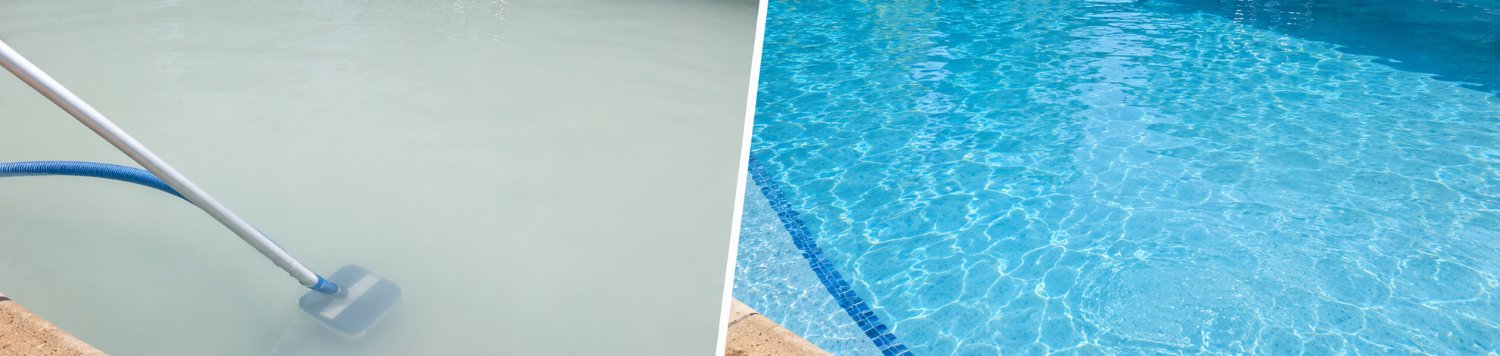
How Long Does It Take to Clear Cloudy Pool Water?
The cleanup time depends on the cause and how cloudy the water is.
| Cloudiness Level | Typical Clearing Time | Likely Cause |
|---|---|---|
| Mild haze | 12–24 hours | Slight imbalance, dust, pollen, or low filtration time. |
| Moderate cloudiness | 1–3 days | Dirty filter, low chlorine, or poor circulation. |
| Severe cloudiness | Several days or longer | Algae, heavy debris, poor filtration, or major chemical imbalance. |
When Cloudy Pool Water May Be Unsafe
Cloudy water is not just a cosmetic problem. It can become a safety issue, especially if the bottom of the pool is not visible.
Do not swim if:
- You cannot clearly see the bottom of the pool.
- Chlorine levels are too high or too low.
- The water looks green or slimy.
- Algae is present.
- The pool has a strong chemical odor.
Simple Checklist to Clear Cloudy Pool Water
- Test the water before adding chemicals.
- Balance pH, alkalinity, and chlorine.
- Clean or backwash the filter.
- Run the pump longer during cleanup.
- Brush walls, steps, corners, and the pool floor.
- Vacuum debris slowly.
- Shock the pool if chlorine is low or algae is suspected.
- Use clarifier only if needed.
- Use flocculant only for severe cloudiness.
- Stay out of the water until it is clear and safe.
Final Thoughts
Cloudy pool water is frustrating, but it is usually fixable with a steady, step-by-step approach. Start with testing, correct the water balance, improve filtration, and clean the pool before adding extra products.
Most cloudy water problems clear up once the filter has enough time to remove fine particles and chlorine has a chance to sanitize the water properly.
Regular testing, brushing, vacuuming, and filter maintenance are the best ways to keep your pool water clear and prevent cloudiness from coming back.
Updated May 2026